Dear Founding Members of the Capuchin Collective:
I’d like to start this report with a quick definition of three key terms.
- The Capuchin Corridor is a conservation area that aims to connect and protect 35,000 acres of rainforest in the Pacific Forest of Ecuador. By the numbers, this ecosystem is the most threatened tropical forest on earth: less than 5% of its original forest still remains.
- The Capuchin Collective is a group of people that are joining forces to make this project happen. It was initiated in 2023. Learn more at www.capuchincollective.org.
- Third Millennium Alliance (TMA) is the nonprofit organization that is implementing this project on the ground, in partnership with 36 rural communities that live on the edge of this forest. TMA began its work here in 2007 and currently manages 4,000 acres in two forest preserves in the Capuchin Corridor.
By the Numbers (2024-2025)
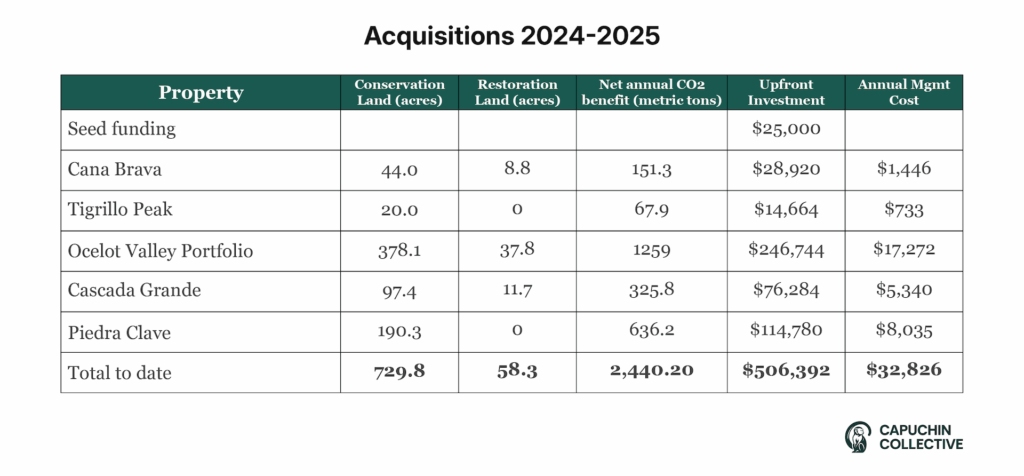
- Acres purchased and protected: 730 acres in the first two years
- Total upfront investment: $506,392
- Annual management fees: $32,826
- Net annual CO2 benefit: 2,440 metric tons*
*Calculated using the Forest Carbon Ledger (FCL) methodology, which quantifies forest carbon accumulation over time.
 Current Acquisition Priorities
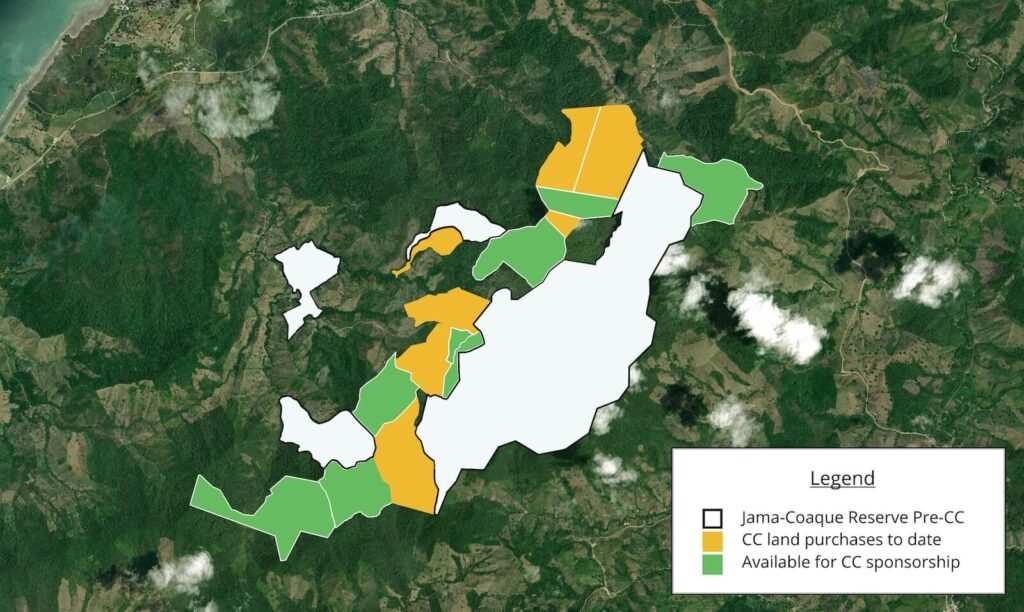
- Valle Profundo: 118 acres ($120,840) — 387 tons CO₂/year
- Tayra Pass: 227 acres ($159,456) — 760 tons CO₂/year
- Twin Falls: 29.7 acres ($34,200) — 91 tons CO₂/year
- Sapano Headwaters: 161 acres ($104,400) — 549 tons CO₂/year
- North Tabuga Headwaters: 158 acres ($104,640) — 510 tons CO₂/year
- Strangler Fig Grove: 74 acres ($46,241) — 241 tons CO₂/year
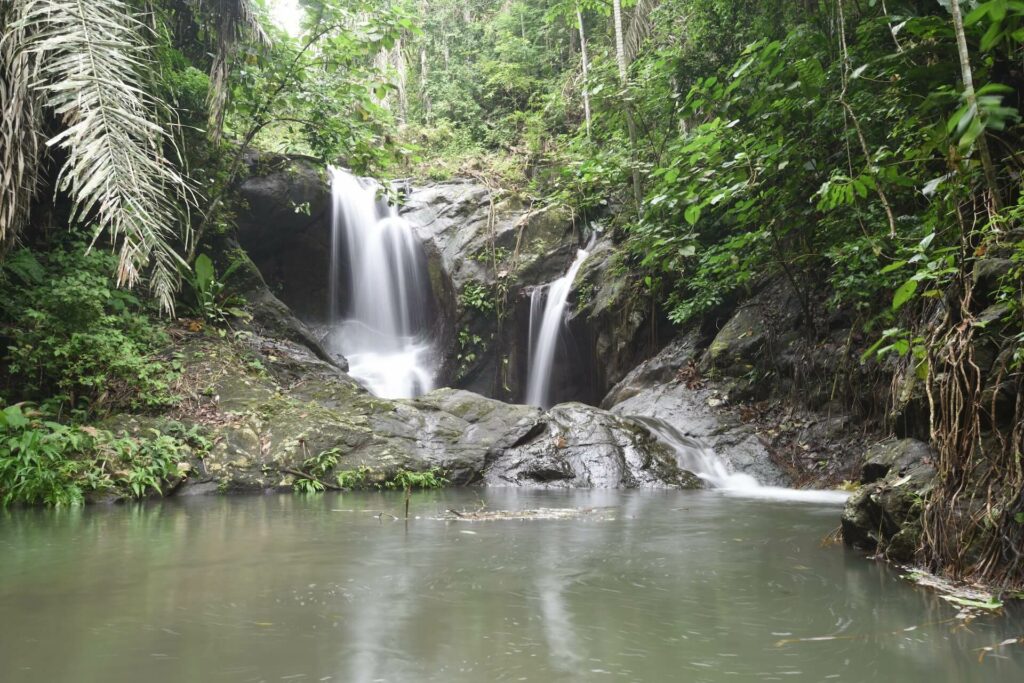
This waterfall sits at the confluence of two Capuchin Corridor properties: Cascada Grande (already acquired) and Valle Profundo (still seeking funding).
Historical Timeline
2007: The project began with Isabel Dávila, Jerry Toth, and Bryan Criswell camping in an abandoned cloud forest on a remote mountaintop in coastal Ecuador. They were armed with machetes, a few leaky tents, and $16,000 in cash. They purchased 100 acres, founded the Jama-Coaque Reserve (JCR), and created the nonprofit Third Millennium Alliance (TMA).
2008–2020: Over the next 13 years, TMA acquired 15 properties totaling 1,500 acres, growing its programs and raising its annual budget from about $25,000 to $250,000.
2021: TMA launched its Regenerative Cacao Program, soon recognized globally and featured in Smithsonian Magazine. This same year, the vision for the Capuchin Corridor started to emerge—shifting TMA from slow linear growth to an ambitious, landscape-scale strategy.
2022: A transformative $650,000 donation from a close friend of the organization provided TMA with the seed capital to expand its team, intensify its operations, and accelerate land acquisition.
TMA started by assuming command of the largely abandoned Pata de Pájaro (PDP) reserve—once 10,700 acres, now only 1,000 acres of standing forest—bringing its two caretakers into the organization. The plan: connect JCR to PDP across a 27-mile mountain range. This would effectively create the Capuchin Corridor.
To achieve this, TMA would first need to strengthen its work with the 36 communities that depend on this forest for their water supply. A Swiss foundation laid the groundwork for this with a $1.2 million grant over five years.
2023: But a key piece of the puzzle was missing. Success hinged on protecting and restoring tens of thousands of acres of threatened land along the top of the mountain range—at the headwaters of all the communities that lived below. This called for acquiring land from absentee or disinterested landowners throughout the mountain range and converting it into a vast protected area.
Led by Noah Knauf and John Anderson, the Capuchin Collective was born. The idea was to assemble a group of people dedicated to rapidly scaling the Capuchin Corridor by fractionalizing conservation and allowing funders to effectively adopt entire rainforested properties, which they commit to supporting over the long-term.
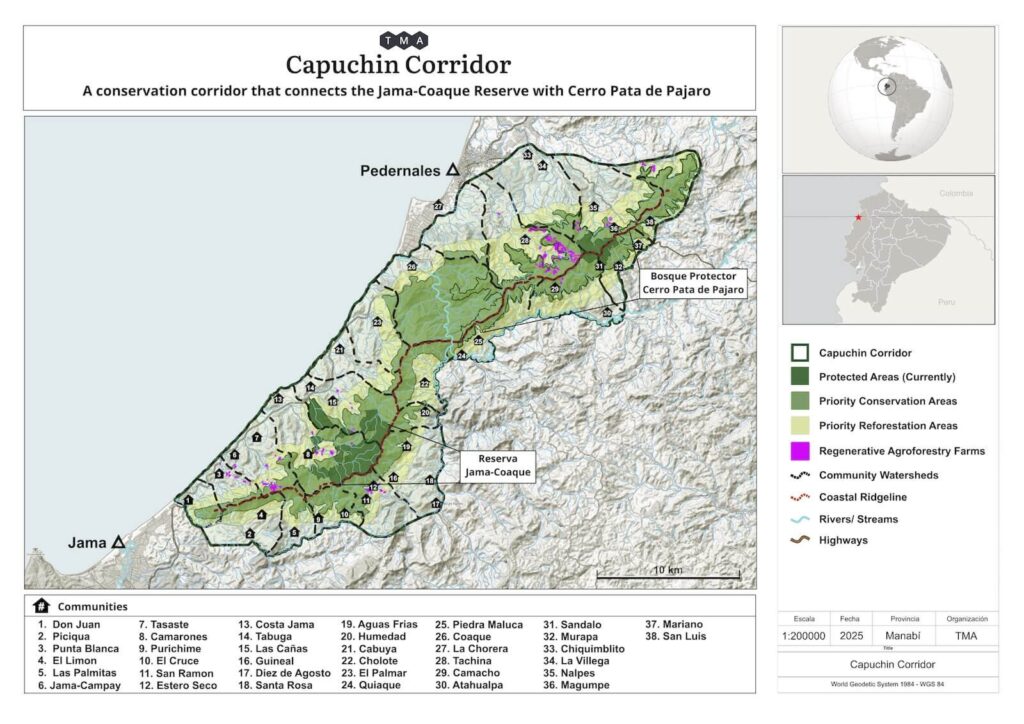
2024: By the end of 2024, JCR had nearly doubled in size—from 1500 acres to 2,700 acres—in just three years.
Meanwhile, TMA designed the Community Forests Program, which became the conceptual framework for co-creating the Corridor with 36 local communities. This system replaces the outdated 20th-century model of “fortress conservation” with a more innovative partnership-based approach.
2025: The Capuchin Collective paved the way for TMA to add hundreds more acres to JCR. And thanks to Capuchin Collective sponsor Ian Shovlin, TMA finally initiated an endowment fund aimed at funding the ongoing management of the protected area over the long term. This is absolutely critical for the long-term sustainability of the Capuchin Corridor.
At the same time, TMA worked with Ecuador’s Ministry of Environment to legally re-establish protection for PDP and lay the groundwork for connecting it southward to JCR.
Call to Action
Growing the Capuchin Collective is how we fuel the next phase of expansion. The goal: create a contiguous rainforest of 35,000 acres across a 27-mile mountain range over the next decade. And, in the process, develop a regenerative economy throughout the 100,000-acre bioregion that this forest feeds and is sustained by.
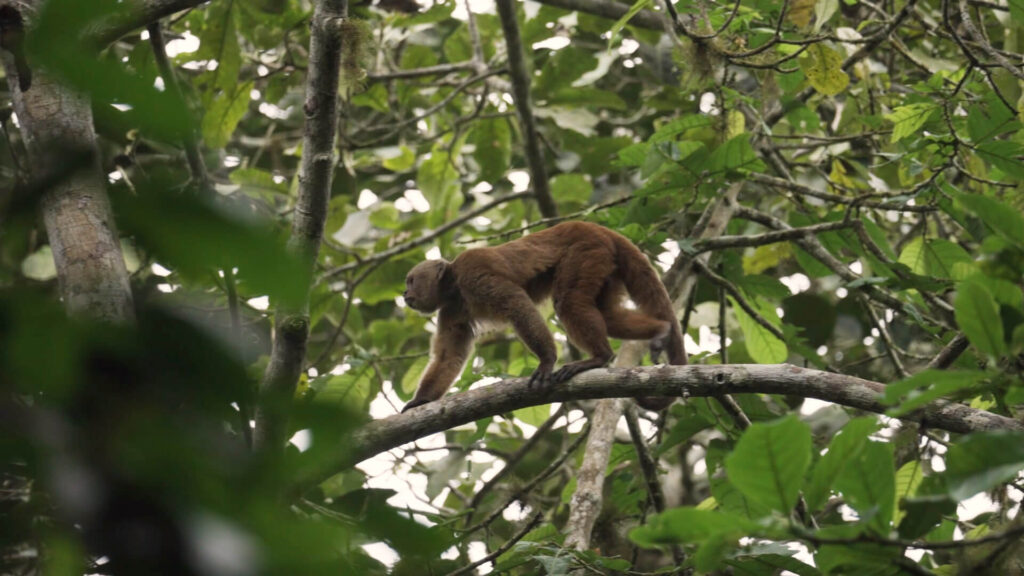
The Capuchin Corridor takes its name from the critically endangered Ecuadorian Capuchin Monkey, which relies on these forests as its last refuge.